

vitrin
-
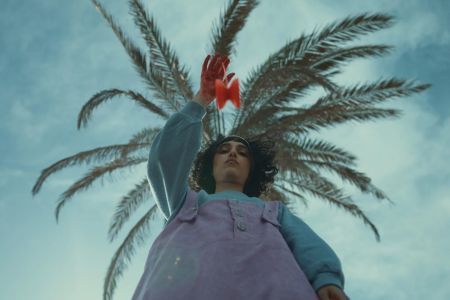
UFF XII ön jüri sürecinin ardından: İran’dan gelen sesi duyuyor muyuz?
Bu yıl yine Uluslararası Uşak Kısa Film Festivali’nin ön jürisinde yer aldım. Dünyanın dört bir yanından gelen başvuruları (121 ülkeden 3645 başvuru) izlemek, oraları gezip görmek ile eş tutulamaz elbette ancak bu deneyimin çok çarpıcı bir yeryüz… -

Canada Under Overcast
-
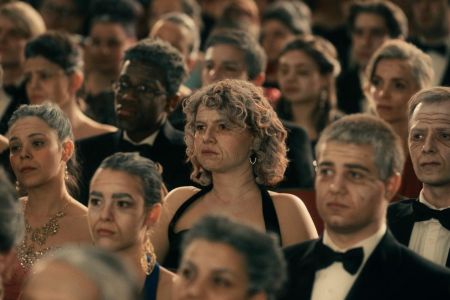
Brecht After Brecht: The Transformation of Alienation in Charlie Kaufman’s I’m Thinking of Ending Things
“Art is not a mirror held up to reality, but a hammer with which to shape it.” — Bertolt Brecht Introduction This paper examines the ways in which contemporary cinema has adapted and transformed Brechtian aesthetics within a cultural and… -
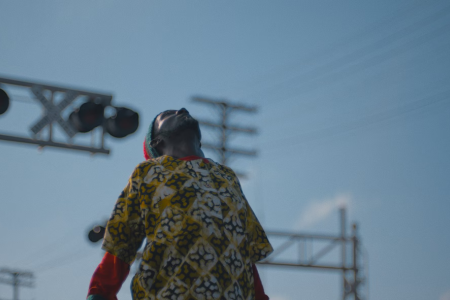
aynı gecenin farklı estetik protokolleri: techno & k-pop
Yağmurun camda bıraktığı izleri dalgın dalgın izlediğim bir akşamdı. Odanın içine yalnızca loş bir lambadan çıkan ışık süzmeleri hâkimdi; dışarıdaki dünya ise yavaş yavaş sesini kaybediyordu. Rastgele bir şarkı açtım. Bazı melodileri sad…


apartkat
how long is now
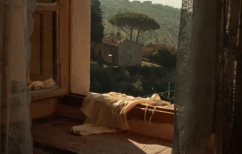
nostaljinin hegemonyasında zamanın göreceliğini aheste aheste deneyimleyen üç kız kardeşin Tuscany’de kat ettikleri yazı kurmacalaştıran Adriana Ingeli, 16 milimetreyle estetik modern harikalar yaratıyor.

-
how long is now
-
to dream of concrete waves
-
| | | ||•|| | | |
-
provisional fault line
-
peacock
-
the seal from the codex gigas
-
tortu
-
the wonder ring
-
dawn
-
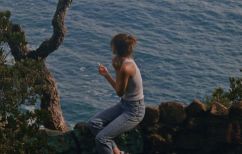
medusa
-
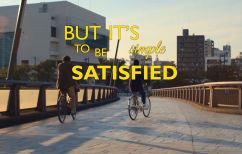
invisible load no. VII: Satisfied
-
invisible load no. VI: Transmission
-

godard etkisi
-

invisible load no. V: The Lie of the Land
-

invisible load no. IV: The Sight is a Wound
-

invisible load no. III: No Ball Games
-
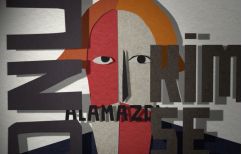
invisible load no. II: The Lumber’s Here
-
invisible load no. I: Hand of God, Ghosts Empire
-

entübe
-
plastic breath
-
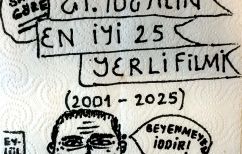
21. yy’nin en iyi 25 yerli filmi (?)
-
fiume calore
-

içindeki sis
-

sirenlerin senfonisi
-

kind mess
-

mischief activism filmmaking: doing good by being bad
-

madde 34
-

bir varmış hiç yokmuş
-

a body called life
-

storm at the sea
-

existire
-

the list of stupid questions i ask myself when i’m high
-

decomposition
-

içimdeki iz
-

lupus
-

nuri’s dreams – cars & photos
-

In Infinite Time
-

calving
-

mesafe
-

integral
-

distinct properties of the Indonesian spotted tree frog
-

eve: the goddess
-

Irani Bag / کیف ایرانی
-

putain
-

wide
-

pshies se apostasi
-

disintegration
-

color me
-

quintessence
-

pespaye
-
how long is now
-
to dream of concrete waves
-
| | | ||•|| | | |
-
provisional fault line
-
peacock
-
the seal from the codex gigas
-
tortu
-
the wonder ring
-
dawn
-
medusa
-
invisible load no. VII: Satisfied
-
invisible load no. VI: Transmission
-
godard etkisi
-
invisible load no. V: The Lie of the Land
-
invisible load no. IV: The Sight is a Wound
-
invisible load no. III: No Ball Games
-
invisible load no. II: The Lumber’s Here
-
invisible load no. I: Hand of God, Ghosts Empire
-
entübe
-
plastic breath
-
21. yy’nin en iyi 25 yerli filmi (?)
-
fiume calore
-
içindeki sis
-
sirenlerin senfonisi
-
kind mess
-
mischief activism filmmaking: doing good by being bad
-
madde 34
-
bir varmış hiç yokmuş
-
a body called life
-
storm at the sea
-
existire
-
the list of stupid questions i ask myself when i’m high
-
decomposition
-
içimdeki iz
-
lupus
-
nuri’s dreams – cars & photos
-
In Infinite Time
-
calving
-
mesafe
-
integral
-
distinct properties of the Indonesian spotted tree frog
-
eve: the goddess
-
Irani Bag / کیف ایرانی
-
putain
-
wide
-
pshies se apostasi
-
disintegration
-
color me
-
quintessence
-
pespaye
-
how long is now
-
to dream of concrete waves
-
| | | ||•|| | | |
-
provisional fault line
-
peacock
-
the seal from the codex gigas
-
tortu
-
the wonder ring
-
dawn
-
medusa
-
invisible load no. VII: Satisfied
-
invisible load no. VI: Transmission
-
godard etkisi
-
invisible load no. V: The Lie of the Land
-
invisible load no. IV: The Sight is a Wound
-
invisible load no. III: No Ball Games
-
invisible load no. II: The Lumber’s Here
-
invisible load no. I: Hand of God, Ghosts Empire
-
entübe
-
plastic breath
-
21. yy’nin en iyi 25 yerli filmi (?)
-
fiume calore
-
içindeki sis
-
sirenlerin senfonisi
-
kind mess
-
mischief activism filmmaking: doing good by being bad
-
madde 34
-
bir varmış hiç yokmuş
-
a body called life
-
storm at the sea
-
existire
-
the list of stupid questions i ask myself when i’m high
-
decomposition
-
içimdeki iz
-
lupus
-
nuri’s dreams – cars & photos
-
In Infinite Time
-
calving
-
mesafe
-
integral
-
distinct properties of the Indonesian spotted tree frog
-
eve: the goddess
-
Irani Bag / کیف ایرانی
-
putain
-
wide
-
pshies se apostasi
-
disintegration
-
color me
-
quintessence
-
pespaye


-
conatus
İnce ve keskin kristaller misali gri kum taneleri, zihnimdeki düşüncelerden … -
Nobel’in sıradan kadınları: güzellik buyruğuna direnen yelek
“İnsanları körü körüne bağlılıklardan, sloganlara, söylevlere, liderlere ve … -
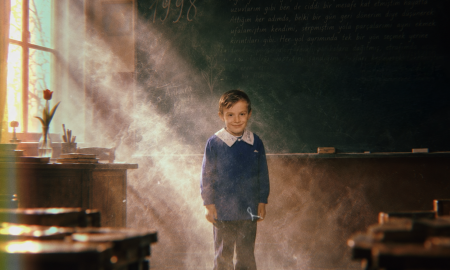
doksan sekiz
bazı şeylerin acısını sonradan hissediyor,bazı acıların sebebiyle de sonrada… -

Bizans sanatında dini figür tasvirleri ve sembolleri üzerine bir inceleme
Ortaçağ ve Erken Dönem Rönesans eserlerinde (tablo, fresk, ikona) sanatçılar… -
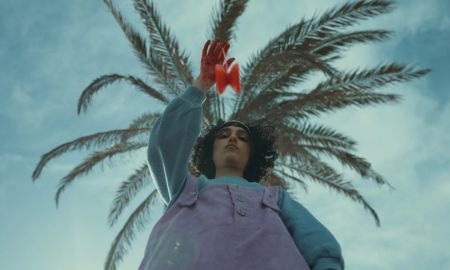
UFF XII ön jüri sürecinin ardından: İran’dan gelen sesi duyuyor muyuz?
Bu yıl yine Uluslararası Uşak Kısa Film Festivali’nin ön jürisinde yer aldım… -
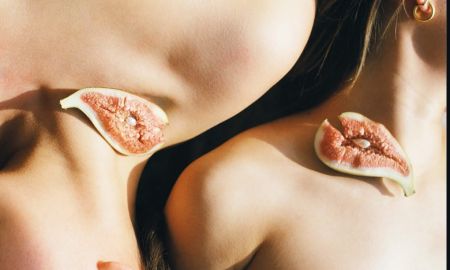
sütü akmış incirler
Aptal bir keşişle kör kuyulardanmuhabbet çekmiştik kova kova,çocukluğumuzu i… -
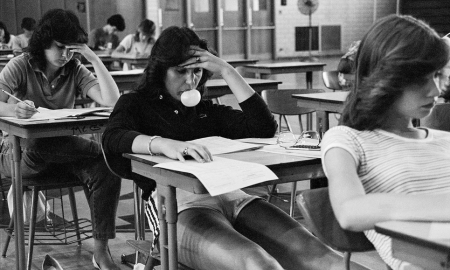
masalların söylemediği şeyler: prensesler uyanmak için neden bir prens bekler?
Masallar güzeldir… Ejderhalar, konuşan aynalar, prensesler, prensler, u… -
aynı gecenin farklı estetik protokolleri: techno & k-pop
Yağmurun camda bıraktığı izleri dalgın dalgın izlediğim bir akşamdı. Odanın … -
aynı gün
Yakılmamış mumun güneş ışığından sararması hüznün katmanları ve kim… -
müezzin mayakovski’nin son ezanı
allah dostu olmaya kaderli müezzin mayakovski,üç yaşındayken,,yenilmez bir ö…


-
‘kısa olan’ın psikesi VII: Sapan
Şiirimizde kuş vurma/vurdurma vakaları sık görülür. Ülkü Tamer can sıkıntısı… -
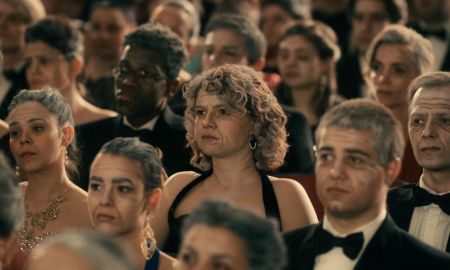
Brecht After Brecht: The Transformation of Alienation in Charlie Kaufman’s I’m Thinking of Ending Things
“Art is not a mirror held up to reality, but a hammer with which to shape it… -
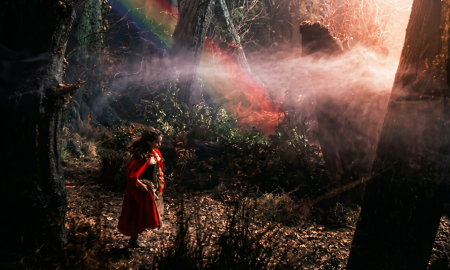
Anne! Rüyamda Kurtlar Gördüm: The Company of Wolves (1984) Biraz Psikanalitik Bir Okuma
– I’ll tell you a story of a wounded wolf.(Sana yaralı bir kurdun hikayesin… -

saka kuşu: ezoterik müziğin peşinde
ARP’IN SESİNDEN Bilim Kurgu, Fantazya ve Korku Akademisi tarafından “En İ… -

‘kısa olan’ın psikesi VI: Bu Bir Kültür Ürünüdür
Sözü yazıya dökmenin kuşkusuz çok fazla yolu var. Yazının kalıbı kadar sözün… -
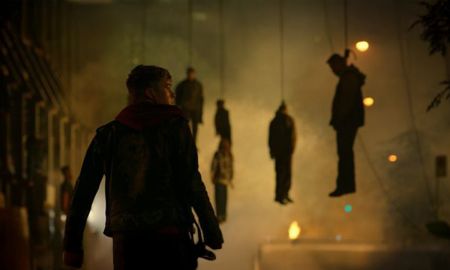
Metallica – Through the Never: Gürültünün Altında Yatan Şey Yanmaktan Başka Bir Şey Değil
Metallica artık bir müzik grubu değildir. Bunu romantik bir yüceltme olarak … -
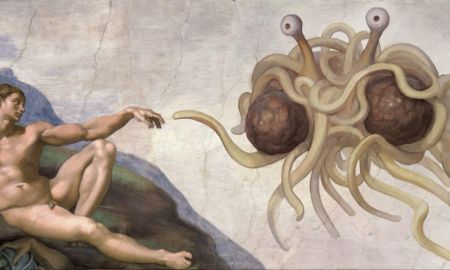
Yeni Tanrıları Görselleştirmek: American Gods
Çok küçükken tanrı kavramını hep düşündüğümde aklıma uzun beyaz saçlı, sakal… -

Cronenberg ve Hiç de Cronenberg olmayan “Cosmopolis”
“En sevdiğin yönetmen kim?” sorusu sinema öğrencileri için daha bir travmati… -
Şule Gürbüz’ün Kıyamet Emeklisi’nin “Aziz” İnsanı Üzerine
Bir romanı karakter üzerinden analiz ederken ilk ve en önemli uyarı romandak… -
müzik yapıtlarının sunuluşu üstüne
Her şeyin hızla keşfedilip çabucak tüketildiği günümüzde sevdiğimiz, kelimen…








Get the App

